


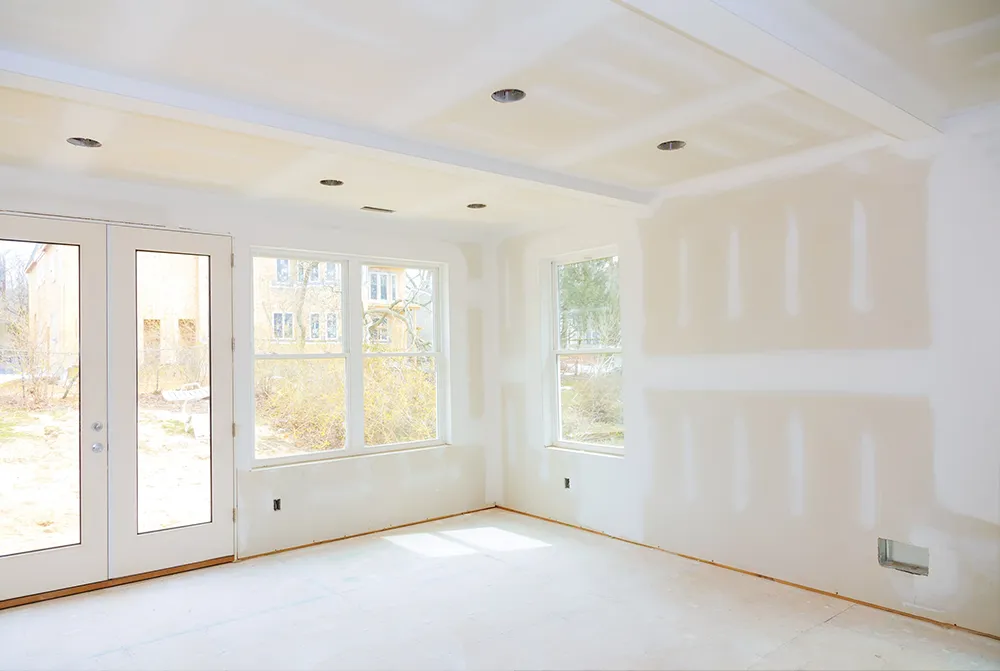
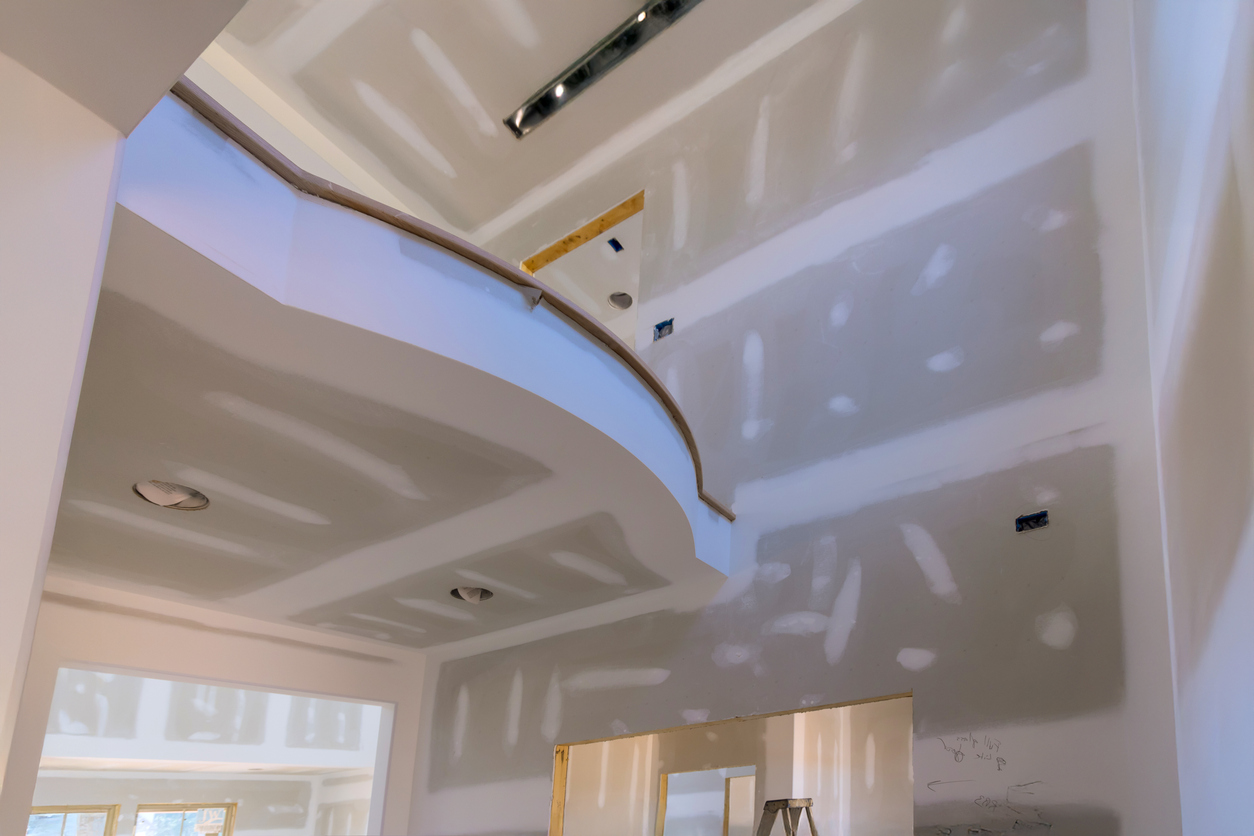
Our team has experience working everywhere from residential to industrial properties.
Pennsylvania's Premiere Painters
Drywall Installation in Crafton, PA
4.9 Stars - Based on 84 User Reviews
Whether you're finishing a basement, adding a room, or updating walls that have seen better days, drywall installation is one of those projects that transforms a space from rough and unfinished to clean and livable. Crafton homeowners take on this work for all kinds of reasons: growing families that need more usable space, older homes with walls that have cracked and settled over the years, or simply rooms that never got finished the way they should have been. Whatever brought you here, getting the job done right from the start saves you from dealing with the same problems a few years down the road.
That said, Crafton's older housing adds a layer of complexity that most generic installation guides gloss over. Many homes here were built before modern insulation and vapor barrier standards, which means walls can hold moisture and framing can shift with the seasons. Those conditions put real stress on drywall over time, especially in basements and rooms that don't stay consistently heated or cooled. Walls installed without accounting for those factors tend to show it, with screw pops, cracked tape joints, and surfaces that never quite look right.
Pete's Pro Painters has worked in homes throughout Crafton and understands what proper installation looks like in this market. That means conditioning materials on-site, controlling temperature and humidity during the work, and choosing the right panels for each area of your home so the finished result holds up the way it should.
How Drywall Installation Works in Crafton, PA
Getting drywall installed correctly depends on more than hanging panels. Framing conditions, moisture, material selection, and finishing conditions all need to be considered before the walls are ready for paint.
- Step 1: Evaluate the Framing and Room Conditions
We begin by examining the framing, measuring the space, and checking for conditions that could affect installation. In older Crafton homes, uneven or warped studs may require shimming or other adjustments before drywall is installed. We also consider moisture conditions and the intended use of each space when determining suitable materials. - Step 2: Establish the Installation Approach
After the inspection, we explain what the space requires and which preparation steps are necessary. If the framing only needs minor corrections, we will tell you that rather than adding unnecessary work. Any condition that could affect the finished drywall is addressed before installation begins. - Step 3: Select Materials and Finalize the Project Details
We review the appropriate panel type, thickness, placement, and fastening requirements for the walls and ceilings being finished. Fastener spacing and panel layout are planned according to the application rather than using the same approach throughout the entire project. You receive a detailed quote covering the materials, preparation, installation, and finishing work before anything is ordered. - Step 4: Install and Finish the Panels
Our crew prepares the framing, hangs the drywall, and secures each panel according to its location and application. We maintain suitable temperature and humidity conditions during finishing so joint compound can dry properly and minimize problems such as cracking or joint failure. Taping, successive coats of compound, sanding, and surface preparation are completed before the walls move on to painting. - Step 5: Review the Completed Surfaces
After the drywall is finished, we inspect the walls and ceilings from different angles and under adequate lighting to identify uneven joints, visible fasteners, or areas requiring additional finishing. We complete necessary touch-ups and walk through the finished space with you before considering the installation complete.
Drywall Panel Options for Crafton, PA Homes
Not every room in your home needs the same type of drywall, and choosing the right panel for each space is one of the decisions that separates a durable installation from one that causes problems down the road. Crafton homes, especially those with basements, crawl spaces, or older framing, have specific demands that affect which panels make the most sense where.
| Area of the Home | Recommended Panel Type | Why It Matters in Crafton |
|---|---|---|
| Basements and crawl spaces | Moisture-resistant or mold-resistant panels | Older homes with unfinished lower levels are prone to humidity buildup that can cause joint failure and mold growth over time |
| Ceilings | Standard panels with tighter screw spacing (12 inches on center) | Gravity and seasonal framing movement in aging structures put more stress on ceiling installations than walls |
| Walls in living areas | Standard panels with 16-inch screw spacing | Proper fastener depth and spacing reduce screw pops caused by framing shifts common in older Crafton homes |
| Rooms with inconsistent heating | Any panel type, with 24-hour on-site conditioning required | Panels must adjust to your home's temperature and humidity before hanging to prevent expansion and contraction issues |
Selecting the right panel is only part of the equation. Corner beads, proper screw depth, and aligning sheets with your room's lighting all play an important role in how the finished surface holds up through Crafton's seasonal temperature changes year after year.
Corner Bead Reinforcement at All Edges
Every outside corner in your installation gets metal or vinyl corner bead applied to protect edges from impact and reinforce joints against the stress that comes with seasonal temperature changes. This is especially important in Crafton homes where walls flex slightly as framing expands and contracts through the year, because unprotected corners are the first place you'll see cracking.
Moisture Control During Application
Joint compound and tape need the right conditions to cure without cracking or separating, so we manage ventilation and interior humidity throughout the finishing process. In summer, that may mean running dehumidification equipment to keep moisture levels in a range where compound dries evenly and bonds properly to the panel surface.
Joint Compound Applied in Stages
Finishing tape and compound aren't a one-step process. Each coat is allowed to dry fully before the next is applied, which prevents shrinkage cracks and gives the surface the smooth, even appearance you expect before paint goes on. Rushing this stage is one of the most common reasons finished walls develop visible seams over time.
Light-Angle Alignment for Seam Visibility
We hang panels with your room's natural and artificial lighting in mind, orienting sheets so joints fall where shadows are least likely to reveal them. In older Crafton homes with window placements that don't always follow modern layout patterns, this step makes a real difference in how clean the finished walls look once the room is furnished and lit.
Get Drywall Installed Right in Crafton, PA
Crafton's older homes weren't built with today's materials or standards in mind, and that gap shows up in walls that shift, crack, and hold moisture in ways newer construction doesn't. Done correctly, drywall installation addresses those underlying conditions rather than working around them, giving you walls that stay flat, clean, and intact through years of seasonal temperature changes. Whether you're finishing a basement or refreshing a living space that's been put off too long, the right installation protects your investment in your property for the long run.
Pete's Pro Painters brings that level of attention to every job in this part of Allegheny County, from material conditioning to final walkthrough. If you're ready to move forward or just want to talk through what your project involves, reach out and we'll take it from there.
Frequently Asked Questions
Got questions about your roof? We’ve got answers. From maintenance tips to insurance claims and repair timelines, our FAQ section covers the most common concerns homeowners have. Get informed and make confident decisions about protecting your home.
Do I need to wait for inspections to pass before drywall goes up?
Yes, and that waiting period is built into every properly managed installation. Electrical, plumbing, and HVAC rough-in inspections all need to be completed and approved before drywall sheets are even delivered to your home. That gap, typically 3 to 5 days, protects you from having to tear out finished walls later if something behind them needs to be corrected.
Does the season I choose actually affect how my drywall turns out?
It can, especially in Crafton where winters push temperatures well below the range joint compound needs to cure correctly. Work done in cold months requires the interior space to be kept above 50 degrees Fahrenheit for at least 48 hours before and after compound is applied, using permanent heating rather than unvented heaters that add moisture to the air. Fall tends to offer the most stable conditions for finishing work, with moderate temperatures and lower humidity than summer brings.
Why do some finished walls develop visible seams even after a fresh installation?
In most cases, it comes down to how panels were oriented relative to the room's light sources. Seams that run parallel to a window or directly under overhead fixtures catch shadows in ways that make joints stand out once a room is furnished and lit. Hanging sheets with your specific lighting in mind, rather than just following the easiest layout, is a step that gets skipped more often than it should be.
SEASONED PROS
Get In Touch
Choose Us For Pittsburgh’s Best Painting Services