
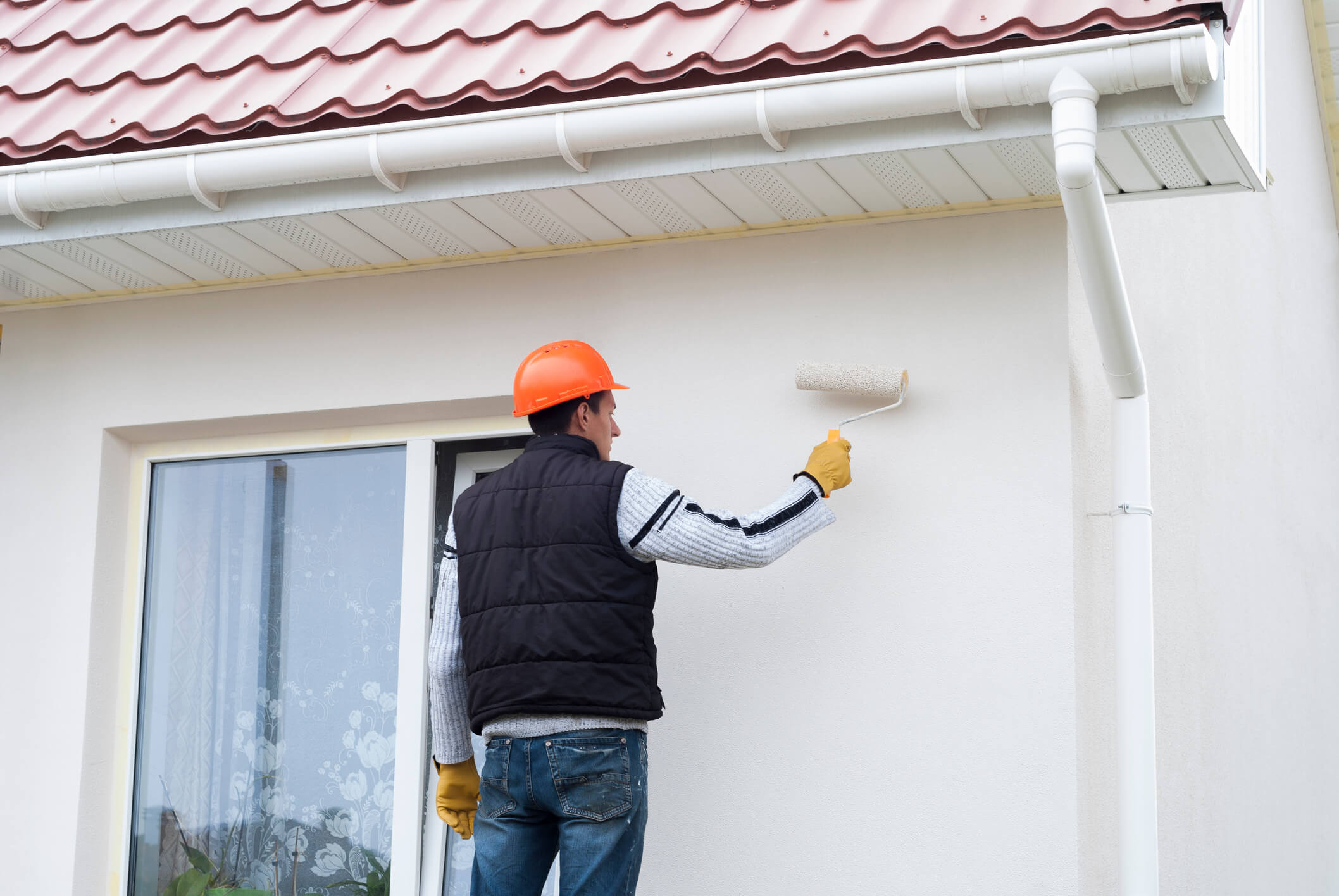
Our team has experience working everywhere from residential to industrial properties.
Pennsylvania's Premiere Painters
Exterior Painting in Bellevue, PA
4.9 Stars - Based on 84 User Reviews
Bellevue sits in a pocket of western Pennsylvania where the weather does not go easy on exterior paint. Winters regularly push below freezing, spring brings steady rain, and summer arrives with humidity that settles into wood siding and brick like it owns the place. That cycle of temperature changes, moisture, and seasonal swings causes paint to peel, chalk, and crack faster than you might expect, especially on the older clapboard colonials, row houses, and stucco-accented homes that define most of the borough's streets. When paint breaks down, it stops doing its job, and bare or compromised surfaces become an open door for moisture damage, mildew, and deteriorating wood.
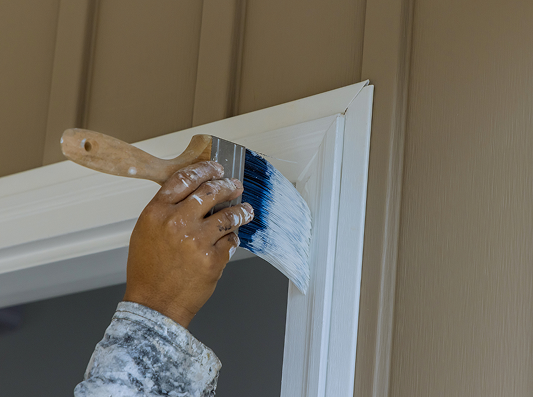
Professional exterior painting in Bellevue is less about a fresh look and more about protecting what you have. The right prep work, primers, and topcoats create a barrier against the conditions this area throws at your home year after year. Pete's Pro Painters works specifically in this region and understands what these homes require, from proper surface cleaning that removes winter salt residue and mildew to coating choices that flex with the expansion and contraction your siding and masonry go through each season. That local knowledge makes a real difference in how long a paint job holds up and how well your home stands up to what comes next. We also handle exterior window painting for homes that require that level of detail as part of the broader project.
How Exterior Painting Works in Bellevue, PA
A successful exterior painting project starts with a clear understanding of the process. Here is how Pete's Pro Painters guides homeowners from the initial conversation through the completed project.
- Step 1: Project Goals and Color Planning
The process begins with a discussion about the home's appearance, existing conditions, and the results you want to achieve. Color preferences, problem areas, architectural details, and any community requirements are reviewed so the project starts with a clear direction. - Step 2: Exterior Condition Evaluation
A detailed review of the home's exterior surfaces helps determine what preparation work may be needed before painting begins. Siding, trim, masonry, and other painted areas are assessed for peeling coatings, weather-related wear, mildew growth, surface deterioration, and other conditions that can affect the finished result. - Step 3: Product Selection and Project Outline
After the evaluation, coating options and project details are reviewed based on the surfaces involved and the property's specific needs. Material recommendations, preparation requirements, project expectations, and pricing are organized into a detailed proposal so everything is clearly defined before scheduling begins. - Step 4: Surface Preparation and Coating Installation
Preparation work is completed before the finish coatings are applied. Depending on the condition of the surfaces, this may include washing, scraping, sanding, priming, caulking, and minor repairs. Once preparation is complete, coatings are applied using methods suited to the surface type and project requirements. - Step 5: Project Verification and Completion Review
After the painting is finished, the completed work is reviewed to ensure the project meets expectations. Surfaces, trim details, coverage consistency, and completed touch-ups are examined during a final walkthrough, providing a clear understanding of the work performed and the home's finished appearance.
Exterior Painting Prep Factors in Bellevue, PA
Good surface preparation is what separates a paint job that lasts from one that starts peeling within a season or 2. Bellevue homes present some specific prep challenges that are worth understanding before work begins, especially on older properties where the surface history runs deep.
| Surface Condition | Common Cause in Bellevue | Prep Approach |
|---|---|---|
| Mildew on wood siding | Year-round humidity from river proximity | Mildew-resistant primer applied after cleaning |
| Efflorescence on brick | Moisture moving through the foundation masonry | Alkaline-neutralizing wash before priming |
| Hairline cracks in stucco | Repeated temperature changes cause expansion | High-build acrylic latex to bridge gaps |
| Paint erosion on the upper trim | Wind-driven rain on exposed elevations | Thicker topcoat application on affected areas |
| Lead-based paint layers | Pre-1978 construction common in the borough | EPA-compliant containment and disposal during scraping |
Timing matters too. Late spring and early September tend to offer the driest, most stable conditions in this area, which gives primer and topcoats the best chance to bond properly. If your home sits in a historic neighborhood or is governed by an HOA, color approval may be required before painting begins, so it helps to have that sorted ahead of the project start date.
Multi-Story Access and Equipment
Many Bellevue homes are 2- and 3-story townhomes and colonials on narrow streets where standard ladders do not safely reach upper trim and rooflines. Pete's Pro Painters uses the right access equipment for your home's specific height and layout so every surface gets properly coated, not just the easy-to-reach areas.
Mildew-Resistant Primer Selection
Because Bellevue sits close to the river, elevated humidity is a year-round reality that makes standard primers a poor choice for wood siding and trim. Using mildew-resistant primers as a base coat gives your exterior a fighting chance against the mold growth that the local humidity encourages, and it helps the topcoat bond stay intact longer between repaints.
Road Salt and Contaminant Washing
Winter road salt from Route 65 and surrounding streets leaves residue on aluminum accents and lower siding that interferes with paint adhesion if it is not fully removed before priming. An alkaline-neutralizing wash targets that residue specifically so your new coating goes on a clean, properly balanced surface rather than one still weight down with corrosive deposits.
Topcoat Thickness on Exposed Elevations
Not every side of your home takes the same beating from Bellevue's wind-driven rain patterns. Elevations that are more exposed to direct weather contact get a thicker topcoat application to compensate for the faster wear those surfaces experience, giving you more even protection across the full exterior rather than treating every side identically.
Get Your Exterior Painted Right in Bellevue, PA
Bellevue's combination of river humidity, seasonal temperature swings, and older housing stock means exterior paint works harder here than in a lot of other places. A properly prepared and applied paint job protects your siding, trim, and masonry from the kind of gradual wear that turns minor surface issues into expensive repairs down the road. If your home is due for a repaint, late spring and early fall tend to offer the most reliable conditions for the work to go on correctly and hold up the way it should.
Pete's Pro Painters knows these homes and this area well. Whether you are dealing with faded siding, peeling trim, or surfaces that have not been repainted in years, getting the right crew on the job makes a real difference in how long the results last. Reach out when you are ready and we will help you figure out the right next step for your home.
Frequently Asked Questions
Got questions about your roof? We’ve got answers. From maintenance tips to insurance claims and repair timelines, our FAQ section covers the most common concerns homeowners have. Get informed and make confident decisions about protecting your home.
Do Bellevue homes built before 1978 require anything special before exterior painting can start?
Yes, and it is not something to skip over. Older homes in the borough commonly have multiple layers of lead-based paint on siding and trim, and disturbing those layers through scraping or sanding requires EPA-certified containment and disposal practices. Any reputable exterior painter working on pre-1978 properties in this area should follow those protocols as a standard part of the job, not an add-on. If you are unsure whether your home falls into that category, a close look at the surface history during the initial inspection will help clarify what the prep work involves.
Does living near the Ohio River actually change how often I need to repaint my home?
It can shorten your repaint cycle more than most homeowners expect. The elevated humidity near the river, combined with acid rain deposition from the area's industrial history, gradually etches masonry and wears down coating bonds faster than you would see in a drier or less urban area. On unprotected exteriors, that can mean repainting every 5 to 7 years rather than stretching a job to a decade or more. Using the right primer and topcoat combination up front is the most practical way to get closer to the longer end of that range.
Can my HOA or historic neighborhood require me to get color approval before painting starts?
In some parts of Bellevue, yes. Certain neighborhoods with HOA governance or historic designation have review processes that focus on color compliance and surface protection before any exterior work begins. Starting without that approval can create complications mid-project, so it is worth confirming your requirements early rather than assuming you have a free choice. Knowing this ahead of time means color selections and any needed submissions can be handled before the crew shows up, keeping the project on schedule.
SEASONED PROS
Get In Touch
Choose Us For Pittsburgh’s Best Painting Services