


Our team has experience working everywhere from residential to industrial properties.
Pennsylvania's Premiere Painters
Drywall Installation in Cranberry, PA
4.8 Stars - Based on 87 User Reviews
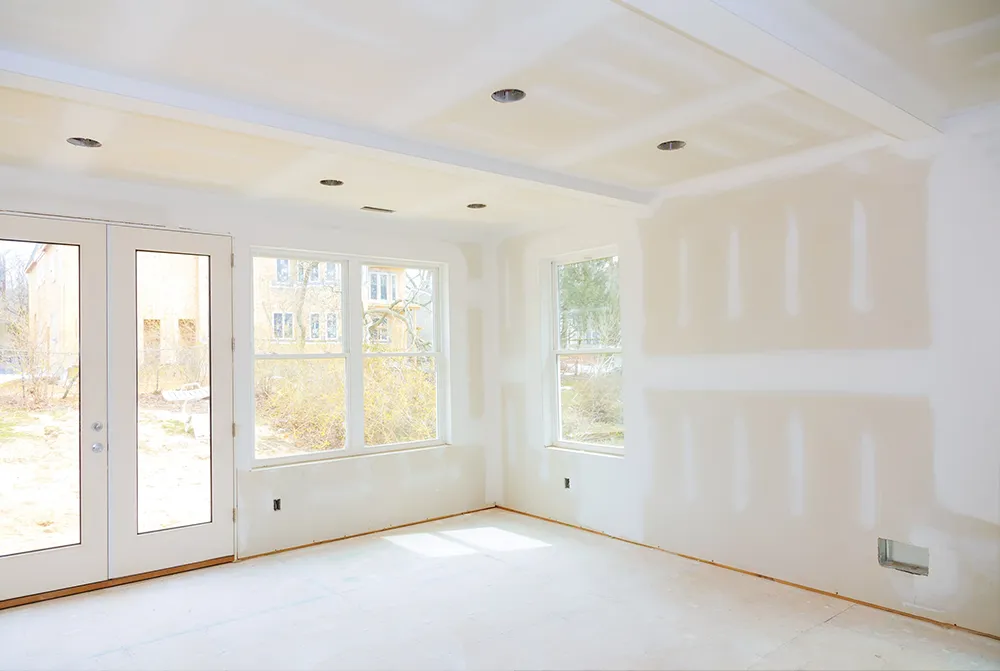
Cranberry Township has grown fast over the past 2 decades, and that growth shows up in the homes here. Whether you're living in a newer build off Route 19, finishing off a basement that's been sitting unfinished since you moved in, or updating rooms in an older home you've outgrown, drywall work is often at the center of the project. Homeowners here tend to be actively improving their spaces, adding square footage, converting utility areas into livable rooms, or simply refreshing interiors that no longer fit how the family actually lives.
The need for professional drywall installation in Cranberry goes beyond new construction. Plumbing repairs leave walls torn open. Basement moisture causes panels to sag and soften. Room additions require hanging, taping, and finishing that match the rest of the house. These are real, common situations for homeowners in this area, and doing the work right the first time means less rework and a finish that holds up.
Pete's Pro Painters brings hands-on experience with the kinds of projects that show up most often in suburban Cranberry: longer wall runs in open layouts, ceiling work in taller rooms, and finish work that needs to blend seamlessly with what's already there. The goal is walls and ceilings that look clean, feel solid, and support whatever comes next in your home.
How Drywall Installation Works in Cranberry, PA
Knowing how the process works ahead of time can make a drywall project much easier to plan for. Below is a look at how Pete's Pro Painters handles drywall installation from the initial assessment through the final walkthrough.
- Step 1: Space Evaluation
Before any pricing or scheduling is discussed, the area is carefully inspected. Framing conditions, existing wall surfaces, and any signs of moisture are reviewed to identify issues that could affect the installation. If something needs to be corrected before drywall work begins, it is addressed at this stage. - Step 2: Project Recommendation
Once the inspection is complete, the findings are reviewed in straightforward terms. In some situations, targeted repairs or patching may be more appropriate than a full installation. Recommendations are based on the condition of the space and the needs of the project, with a clear explanation of the reasoning behind them. - Step 3: Material and Finish Planning
After the project requirements are established, the available options are discussed. Factors such as board thickness, finish level, and the layout of the walls and ceilings all play a role in determining the final plan. A detailed quote is provided so the work is clearly defined before installation begins. - Step 4: Drywall Installation and Finishing
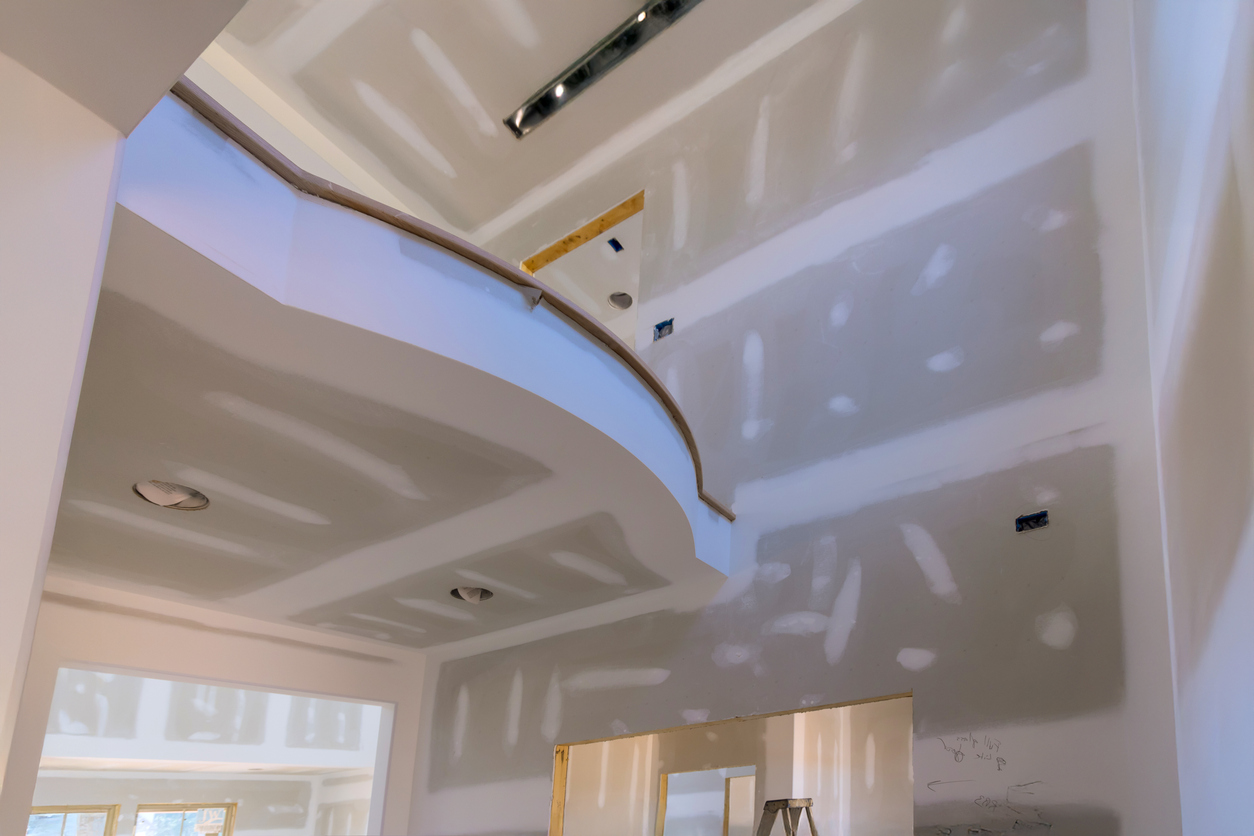
Installation includes hanging the drywall panels, followed by taping, finishing, and surface preparation. Attention is given to alignment, seam treatment, and overall finish quality throughout the process. The work area is kept organized while the project moves through each stage. - Step 5: Final Inspection and Walkthrough
After the installation is complete, the finished surfaces are reviewed in detail. Seams, corners, and overall consistency are checked to confirm the work meets expectations. Any necessary touch-ups are addressed before the project is considered complete.
Drywall Installation in Cranberry, PA: Common Project Types
Most drywall projects in Cranberry fall into a few familiar categories, and understanding which one fits your situation helps you plan realistically. Whether you're starting fresh in an unfinished space or replacing walls damaged by a plumbing leak, the scale of work and what it takes to finish the job well can vary quite a bit.
| Project Type | Common Trigger | What to Expect |
|---|---|---|
| Basement Finishing | Converting unfinished space into a living area | Longer wall runs, moisture-resistant board in some areas, permit coordination if space use changes |
| Leak or Damage Repair | Plumbing leak, pipe burst, or water-damaged panels | Panel removal and replacement, finish matching to existing surfaces |
| Room Addition or Remodel | Layout changes, structural updates, kitchen or bathroom work | New framing and full hang, tape, and finish sequence |
| Ceiling Replacement | Damage, height changes, or open-concept updates | More labor-intensive due to overhead work and access constraints |
Repair and replacement work is especially common here because of how often moisture shows up in basements and how frequently plumbing access leaves walls open. Getting the finish right on repair work matters just as much as a clean install on new construction, particularly when the new surface needs to blend with what is already around it.
Moisture-Resistant Board Selection for Basements and Wet Areas
Not every wall in your home gets the same drywall. In basement spaces and areas near plumbing, we use moisture-resistant board specifically rated for higher humidity conditions, which helps prevent the kind of softening and sagging that leads to repeat repairs down the road.
Finish Level Matching for Repairs and Additions
When new drywall meets existing walls or ceilings, the finish level has to match, or the difference shows the moment light hits the surface. We texture and finish new work to blend with what's already in your home so the result looks like it was always there, not patched in after the fact.
Permit Coordination for Space Conversions
Projects that change how a space is used, like finishing a basement or adding a room, often require permit coordination before drywall can go up. We are familiar with the requirements that apply in Cranberry and can help make sure the installation sequence lines up with any required inspections so your project stays on track.
Ceiling and Overhead Installation Capability
Ceiling work takes more time, more hands, and more care than a standard wall hang, especially in rooms with taller ceiling heights or open layouts that are common in newer Cranberry homes. We handle overhead installation as a standard part of our service, so you are not left sourcing a separate crew when your project goes above the walls.
Get Drywall Installation Done Right in Cranberry, PA
Your home is an ongoing project, and the interior work you invest in now shapes how the space feels and functions for years ahead. Good drywall installation is not just about covering walls. It supports the finishes that come after it, holds up against the humidity that western Pennsylvania summers bring, and gives you a surface that looks clean and intentional rather than rushed. When the work is done well, you rarely think about it again.
If you have a project in mind, whether it is finishing off unused space, repairing walls after a plumbing issue, or updating rooms that need a fresh start, Pete's Pro Painters is ready to take a look and walk you through what the job involves. Reach out when you are ready, and we will help you figure out the right next step.
Frequently Asked Questions
Got questions about your roof? We’ve got answers. From maintenance tips to insurance claims and repair timelines, our FAQ section covers the most common concerns homeowners have. Get informed and make confident decisions about protecting your home.
Do I need a permit for drywall installation in Cranberry Township?
It depends on what the drywall is connected to, not the drywall itself. If your project involves finishing a basement, adding a room, or any work tied to electrical, plumbing, or structural changes, a permit is typically required before walls get closed up. Standalone repairs or like-for-like panel replacement in an already-finished space usually do not trigger a permit requirement.
How does Western Pennsylvania's humidity affect drywall finishing?
The warm, humid stretches that roll through the Pittsburgh area in summer can slow down how quickly joint compound dries between coats. Rushing that process leads to cracking and surface problems that show up after painting. Keeping the space properly ventilated and at a stable temperature during finishing makes a real difference in how the final surface holds up over time.
What finish level should I ask for if I plan to paint the walls after installation?
Most interior walls get a Level 4 finish, which is the standard for painted surfaces in living spaces. If you are planning a flat or matte paint with direct lighting, a Level 5 finish is worth asking about because it adds a thin skim coat that hides surface irregularities that only show up once paint is on. Knowing this before the job starts saves you from discovering the difference after the walls are already painted.
SEASONED PROS
Get In Touch
Choose Us For Pittsburgh’s Best Painting Services