

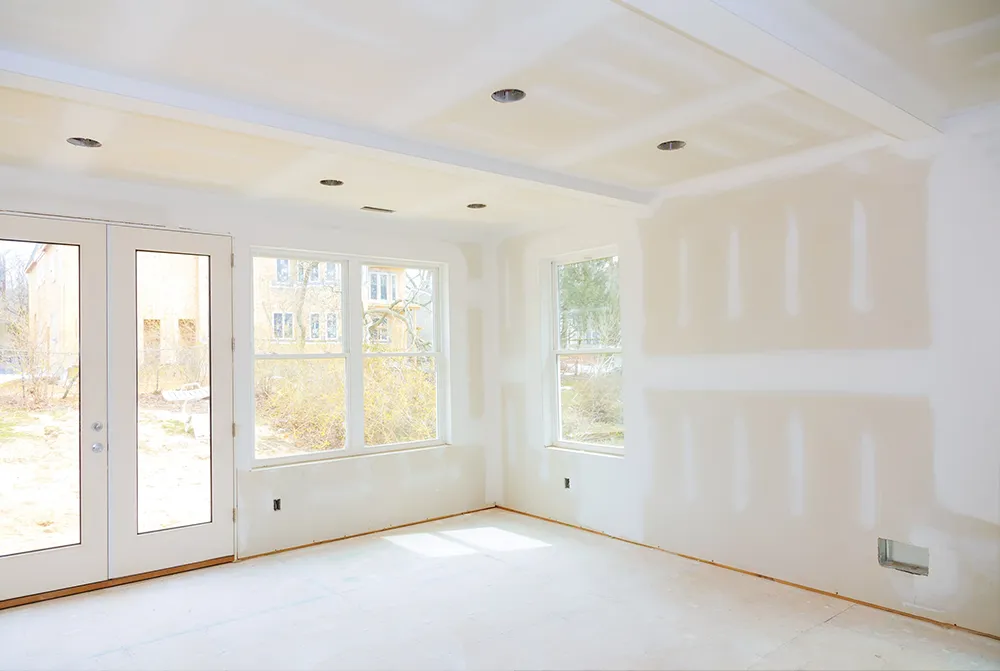
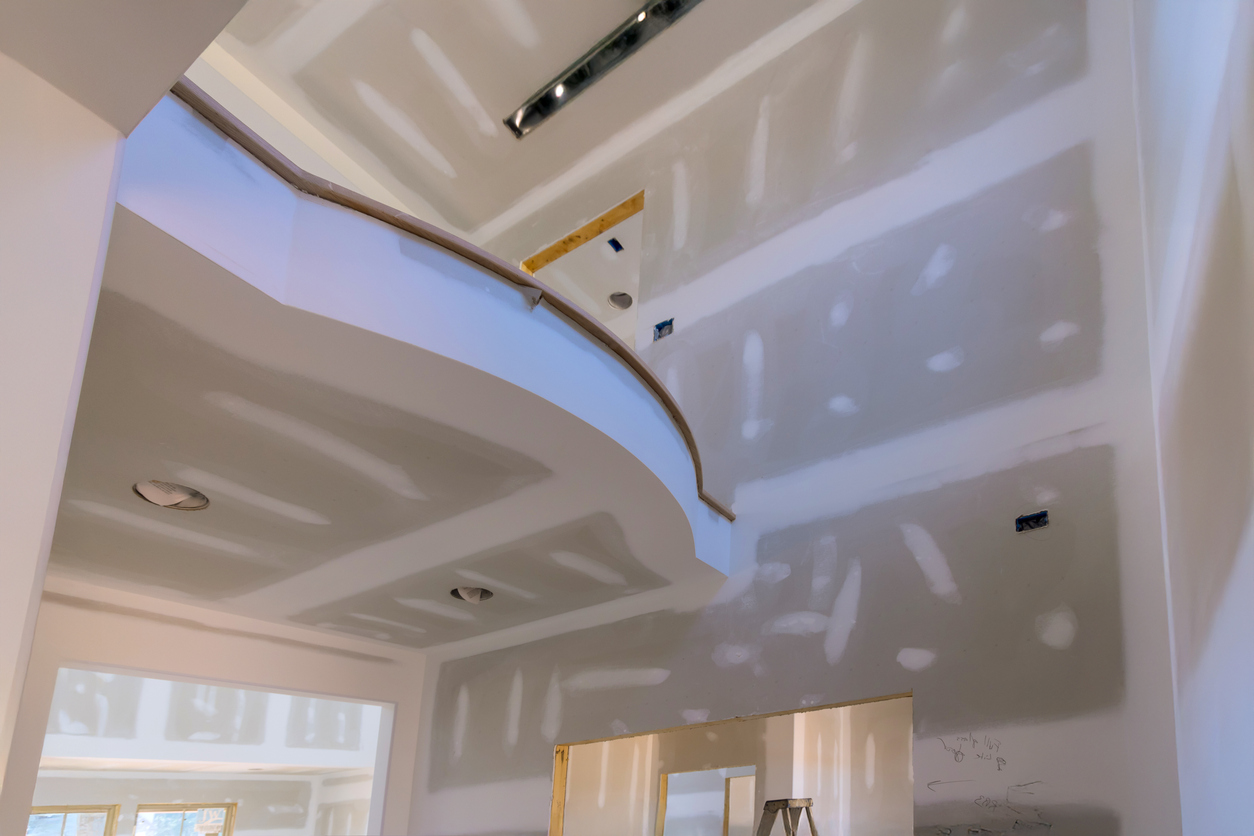
Our team has experience working everywhere from residential to industrial properties.
Pennsylvania's Premiere Painters
Drywall Installation in Robinson Township, PA
4.9 Stars - Based on 84 User Reviews
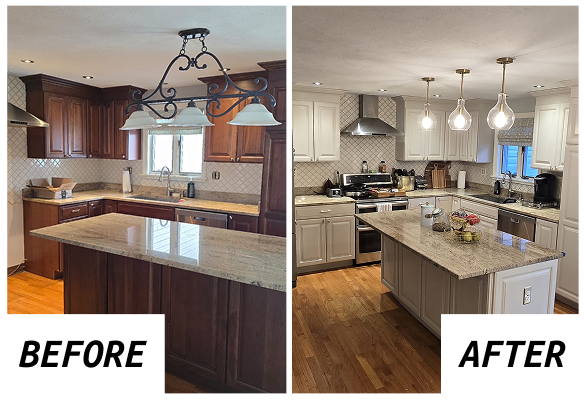
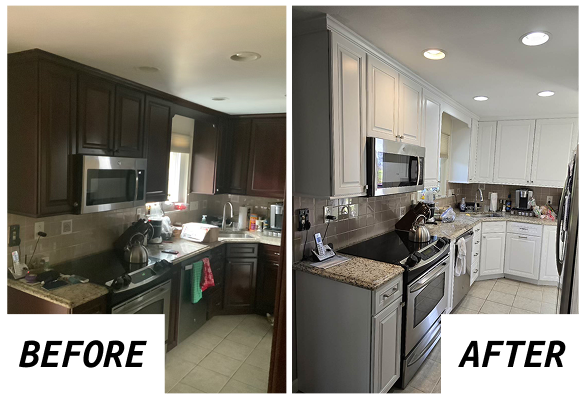
A lot of homes in Robinson Township were built decades ago, and many of them still have unfinished basements, dated interiors, or walls that have seen better days. Whether you’re converting an unused lower level into actual living space, replacing wallboard that took on water after a leak, or refreshing rooms before a repaint, drywall installation is often the starting point for making it all happen. If your project includes a kitchen renovation, consider pairing drywall improvements with cabinet painting in Robinson Township to give your kitchen a fresh, coordinated appearance. It’s the kind of work that doesn’t always get noticed once it’s done, but when it’s done poorly, you notice it every time you walk into the room.
That’s where having the right crew matters. Pete’s Pro Painters brings hands-on experience with drywall installation in Robinson Township, PA, working with homeowners on everything from single-room updates to full basement finishes. The goal is always the same: walls that look clean, hang straight, and are ready for whatever finish work comes next.
Drywall installation isn’t just about putting boards on studs. The taping, finishing, and sanding stages are what separate a smooth, paint-ready surface from one that shows every seam and imperfection under light. Getting that right takes skill and attention to detail, and it’s the part of the job that makes the biggest difference in how your finished space actually looks.
How Drywall Installation Works in Robinson Township, PA
Understanding the process before work begins helps keep a drywall project straightforward from start to finish. Here is how Pete’s Pro Painters manages drywall installation from the initial visit through completed walls.
- Step 1: Site Condition Review
The process begins with a full assessment of the area where drywall will be installed. Framing is examined, along with signs of moisture exposure, prior repairs, and any structural or surface conditions that could affect installation. This evaluation establishes the baseline conditions before any planning or scheduling takes place. - Step 2: Scale Evaluation and Recommendation
After the inspection, the findings are reviewed in clear terms. If localized repair work is sufficient, that option is presented instead of a full replacement. Recommendations are based on the actual condition of the space and the level of work required to achieve a stable finished surface. - Step 3: Material Selection and Project Estimate
Once the approach is defined, drywall types and thickness options are reviewed, including moisture-resistant board for areas such as bathrooms and basements when appropriate. A detailed written estimate outlines all stages of work, including installation, taping, finishing, sanding, and cleanup, so the scale is fully defined before work begins. - Step 4: Drywall Installation and Finishing Work
Drywall panels are installed, secured, and finished through multiple stages of taping, compound application, and sanding. Care is taken to produce smooth, consistent surfaces, with particular attention to seams and transitions where lighting will highlight imperfections. - Step 5: Final Inspection and Walkthrough
After completion, the finished walls are inspected under typical interior lighting conditions to confirm surface quality and consistency. A walkthrough is completed to review the work, address any necessary touch-ups, and confirm that the walls are ready for paint.
Drywall Board Options for Robinson Township, PA
Not every room calls for the same type of drywall, and choosing the right board upfront saves you from problems down the road. In Robinson Township homes, where basements and older interiors are common project areas, material selection matters as much as the installation itself. Here’s a look at the board types commonly used in residential drywall work and where each one makes sense.
| Board Type | Common Application | Why It Fits |
|---|---|---|
| Standard 1/2-inch drywall | Living rooms, bedrooms, hallways | The most common choice for above-grade interior walls and ceilings in single-family homes |
| 5/8-inch drywall | Garage walls adjacent to living spaces | Provides added fire resistance where building codes typically require a stronger barrier |
| Mold-resistant drywall | Basements, bathrooms, utility rooms | Designed to reduce water absorption in spaces where moisture exposure is a regular concern |
For larger projects such as basement finishes or room conversions, the scale of work may also involve permit or inspection requirements, depending on what else is changing in the space. Keeping that in mind early helps the project move forward without delays once installation is underway.
Ceiling Drywall Installation
Walls get most of the attention, but ceilings are often part of the same project, especially in basement finishes and room conversions where overhead surfaces need to be drywalled before any trim or lighting goes in. Getting ceiling boards hung level and finished without sagging seams takes a different set of techniques than wall work, and it’s included in full-room installation projects.
Seam and Joint Finishing Levels
Drywall finishing is done in levels, and the right level depends on what’s going on the wall afterward. A surface being painted with flat paint in a well-lit room needs a higher finish level than a utility space, and selecting the right standard upfront means your walls hold up under the exact conditions your room will see.
Debris Removal and Jobsite Cleanup
Drywall work generates a significant amount of dust, scraps, and packaging, and leaving that behind isn’t how Pete’s Pro Painters operates. Cleanup is part of every installation, so your space is cleared of debris and ready for the next trade, whether that’s a painter, trim carpenter, or flooring crew.
Coordination with Other Finish Work
In Robinson Township homes, drywall installation rarely happens in isolation. It typically comes right before painting, trim installation, or flooring, and timing the work to fit that sequence matters. Once the drywall is finished, our interior painting services can help complete the transformation with smooth, professional finishes for your walls and ceilings. Pete’s Pro Painters works with your broader project schedule so the drywall stage doesn’t create a bottleneck for everything that follows.
Get Drywall Installation Scheduled in Robinson Township, PA
Turning an unfinished or worn-down space into something usable and polished starts with walls that are done right. Whether you’re finishing a basement, refreshing dated rooms, or replacing wallboard that took damage over time, getting the installation handled by an experienced local crew means the work comes out clean and ready for whatever finish work follows. Spring and summer tend to be busy periods for interior renovation in the Pittsburgh area, so reaching out earlier in your project timeline can help with scheduling.
Pete’s Pro Painters works with homeowners in the Robinson Township area on drywall projects of all sizes, from single-room repairs to full basement finishes. If you have a project in mind and want to talk through what it involves, we’re straightforward about the job scale, materials, and what to expect. Reach out when you’re ready, and we’ll take it from there.
Frequently Asked Questions
Got questions about your roof? We’ve got answers. From maintenance tips to insurance claims and repair timelines, our FAQ section covers the most common concerns homeowners have. Get informed and make confident decisions about protecting your home.
Does my basement drywall project in Robinson Township require a permit?
It depends on the scale of work. Finishing an unfinished basement that involves framing new walls, adding electrical, or changing the layout typically triggers a permit requirement under Allegheny County building codes. A straightforward wall replacement or repair in an already finished space usually does not. If your project is larger in scale, it’s worth confirming with the township before work begins so inspections can be scheduled at the right stages.
What makes basement drywall installation different from above-grade rooms?
Lower levels in western Pennsylvania homes see more humidity and occasional moisture exposure throughout the year, which means standard drywall isn’t always the right call below grade. Mold-resistant board is the better fit for basements because it’s built to handle that kind of environment over time. The framing conditions and ceiling heights in basements also tend to vary more than in main-level rooms, which affects how boards are cut and hung.
Can drywall installation be done while other trades are still active in the space?
Generally, drywall goes in after rough-in work from electricians and plumbers is complete and inspected, because those systems run through the walls before they’re closed up. Trying to hang boards before those inspections are signed off often means tearing into finished walls later. If you’re coordinating multiple trades on a renovation, drywall typically sits right after rough-in and right before painting and trim, so the sequencing matters more than most homeowners expect.
SEASONED PROS
Get In Touch
Choose Us For Pittsburgh’s Best Painting Services